
Sleep Struggles are Common..but Fixable

Nap Problems & Daytime Sleep Struggles
Cat naps, nap refusal and inconsistent sleep during the day are very common in babies and young children. Daytime sleep plays a huge role in night-time rest and overall mood.
When naps are out of balance, children can become overtired, unsettled and harder to settle at bedtime.
Together, we’ll work out how much daytime sleep your child needs for their age and create a gentle nap routine that supports better nights and happier days — for your child and for you.

Bedtime Battles & Overtired Evenings
If bedtime feels stressful, long or emotionally draining, you’re not alone. Many bedtime battles are caused by overtiredness rather than a lack of tiredness.
When children miss their natural sleep window, settling becomes harder and behaviour can feel challenging. By adjusting timing, routine and expectations, we can create calmer evenings, shorter bedtimes and a more settled transition to sleep that works for your whole family.
If any of this sounds familiar, you’re not alone, you’re in the right place.

Night Waking & Difficulty Settling Back to Sleep
Waking during the night is completely normal — staying asleep independently is a learned skill. When night waking becomes frequent, exhausting or requires constant support, it can feel overwhelming.
Whether your toddler is climbing into your bed multiple times a night or your baby needs rocking, feeding or patting to resettle, I can help you gently guide them towards settling back to sleep on their own. With the right support, this can be achieved calmly and effectively.
Why Sleep Training Helps
Lack of sleep affects every part of family life. When nights are broken for long periods, exhaustion builds and even simple daily tasks can start to feel overwhelming. It can impact mood, patience, relationships and overall wellbeing — for parents and children alike.
Sleep training isn’t about forcing sleep or changing who your child is. It’s about helping them develop healthy, age-appropriate sleep habits so they can feel safe, settled and well-rested. With the right routine and gentle guidance, children are better able to regulate their emotions, concentrate during the day and enjoy calmer, more predictable evenings.
Good sleep also supports healthy development. Babies and young children rely on sleep to process learning, regulate behaviour and grow. When sleep improves, families often notice happier children, calmer days and a renewed sense of balance at home.
Gentle sleep training offers a supportive, kind way to improve sleep without stress — helping your whole family rest, recover and thrive.
Benefits of Sleep Training
Cognitive & Emotional Development
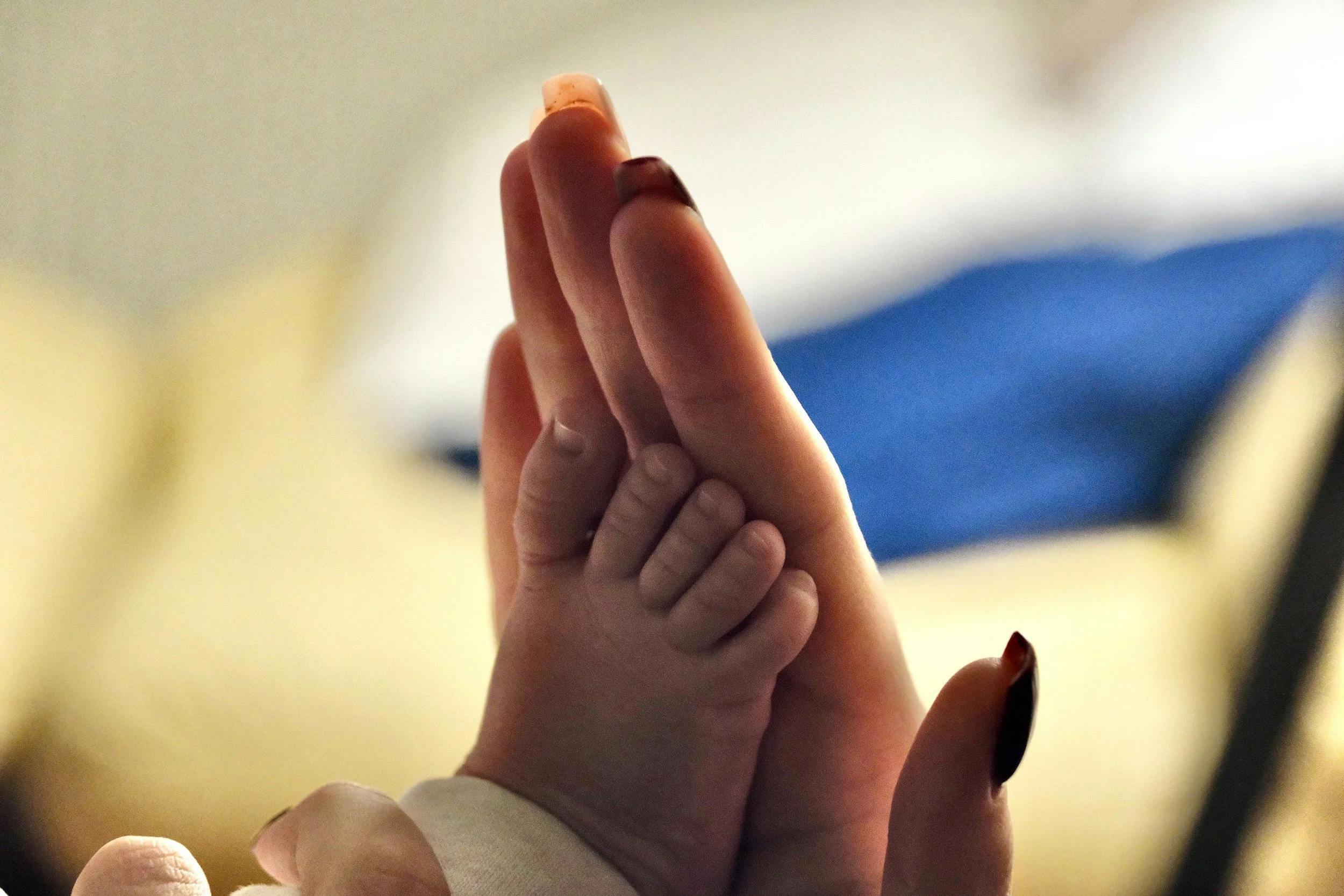
Sleep plays a vital role in a child’s cognitive, emotional and physical development. During sleep, the brain processes learning, regulates emotions and supports memory consolidation.
Quality sleep also allows the body to rest, repair and grow, with important growth hormones released during certain sleep stages. When children sleep well, they are often better able to manage emotions, concentrate during the day and engage more positively with the world around them.
Health & Wellbeing

Sleep deprivation can affect the whole family, often leading to lowered immunity, frequent illness and increased stress or low mood. When everyone is getting enough rest, families tend to feel more balanced and resilient.
Parents often notice improved patience, clearer communication and a more positive home environment. Simply put, better sleep allows families to feel more connected, calmer and able to enjoy time together again.
Safety & Day-to-Day Functioning

Lack of sleep can significantly affect focus, reaction time and decision-making. When parents are overtired, everyday tasks can feel harder and mistakes more likely. Improving sleep helps restore clarity and confidence, making daily routines safer and more manageable.
Well-rested parents and children are better equipped to navigate each day with greater awareness, energy and emotional steadiness.




Free Sleep Chart
Have you always wondered how much sleep your child actually needs? How long they should nap for in the day and how many naps they require? Did you know that as your child develops these requirements also change?
Complete your details below and you will receive a clear breakdown to guide you through ages 0-6 years!